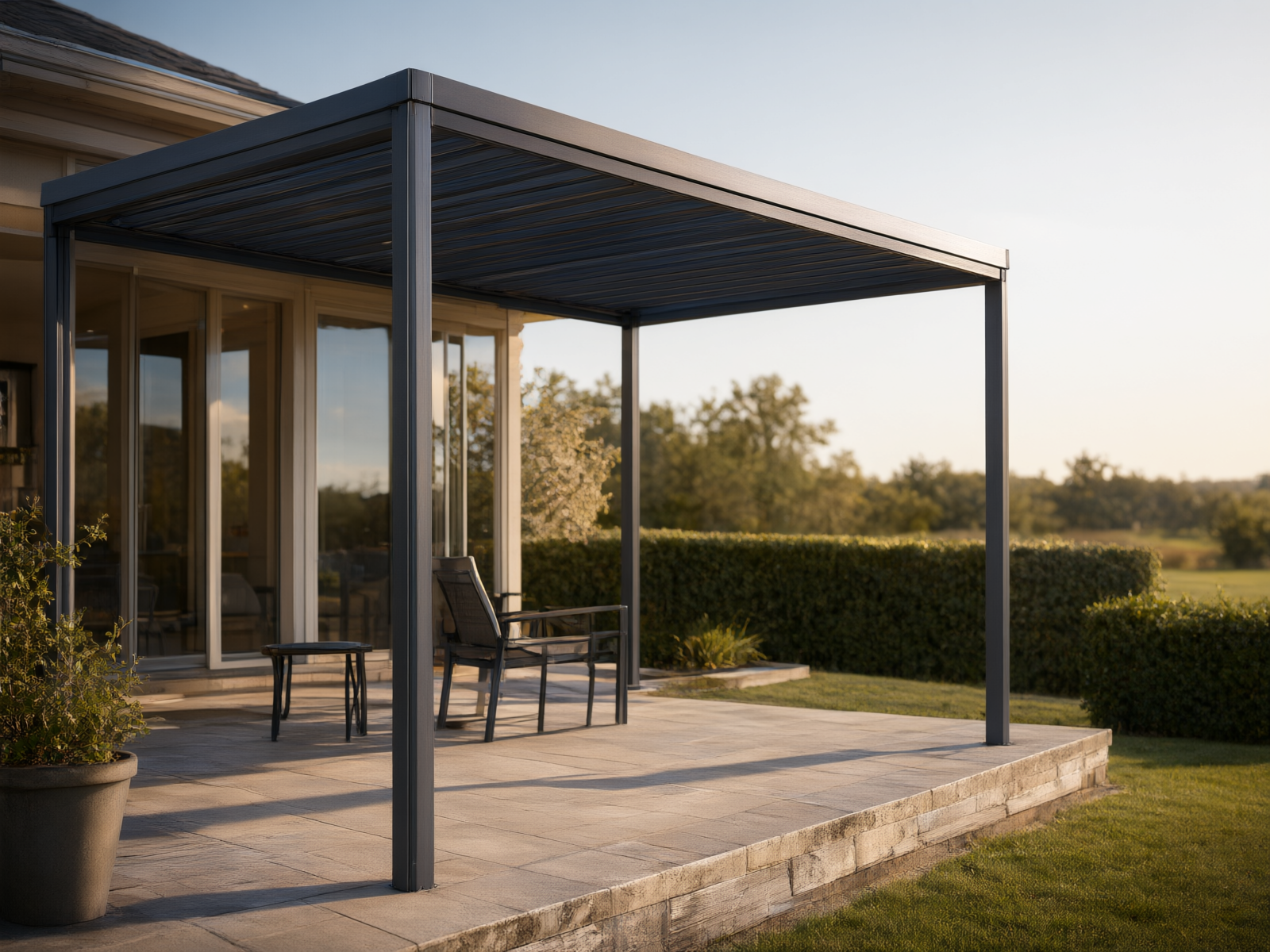
The service life and structural safety of outdoor shading products depend largely on a component that is easily overlooked — the aluminum profile. It bears the core functions of frame load-bearing, guide rail operation, and overall rigidity, yet it is often reduced to a single line in the specification stage: "Material: Aluminum Alloy." For architects, understanding the process differences in aluminum profiles leads to more accurate material decisions; for distributors, it is the fundamental basis for distinguishing product quality. We break down the real value of aluminum profiles in outdoor shading products across three dimensions: extrusion, surface treatment, and customization.
Extrusion: Where Precision Begins
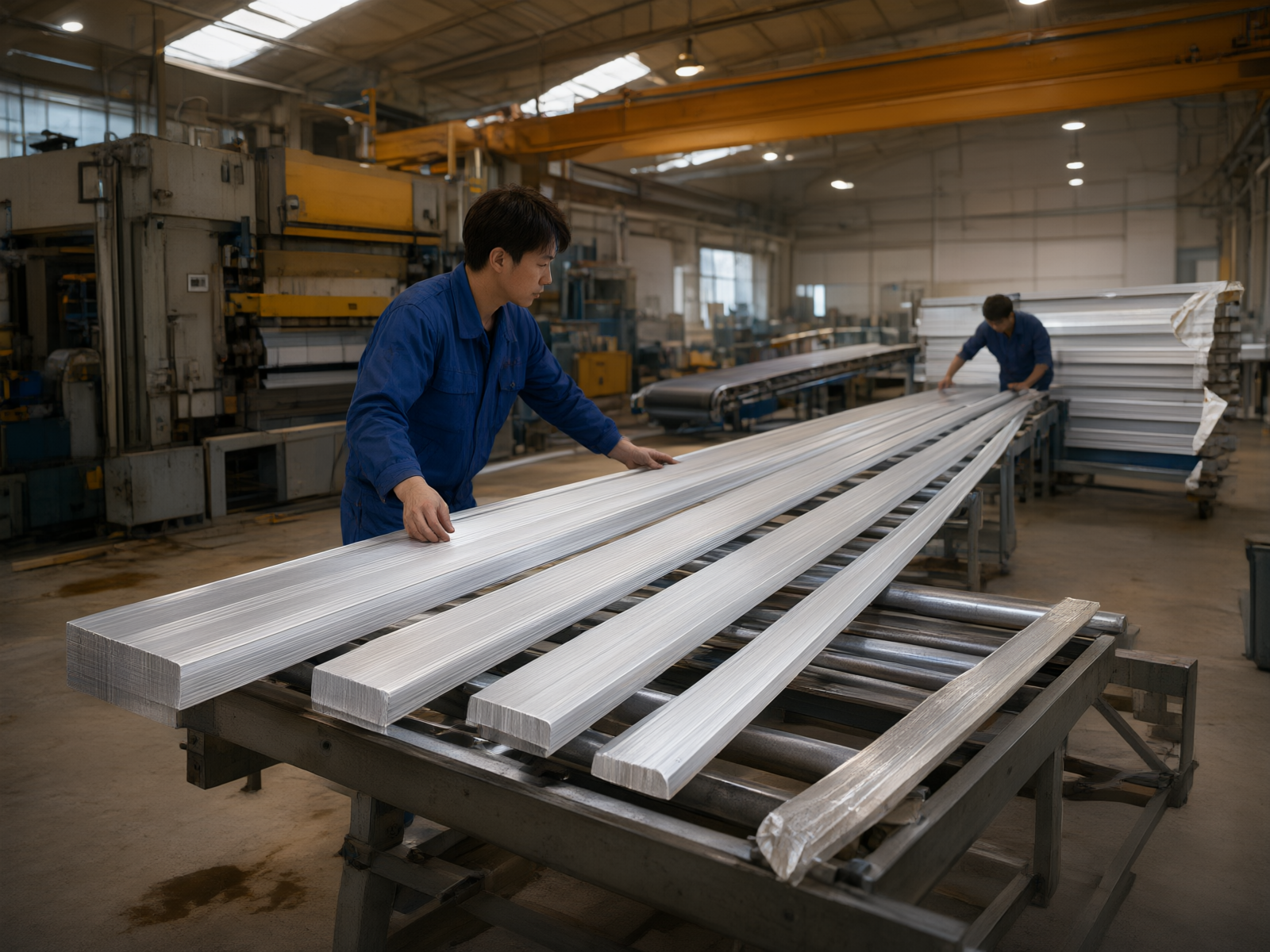
The forming of aluminum profiles starts with extrusion — pushing heated aluminum alloy billets through a die to create a specific cross-section. This process determines the geometric accuracy and mechanical properties of the profile. The rationality of cross-section design directly affects assembly precision and long-term stability: multi-chamber structures improve thermal insulation and torsional rigidity, while wall thickness distribution, rib placement, and tolerance control — differences invisible on paper — reveal themselves in the finished product.
Take 6063-T5 aluminum alloy, commonly used in shading products: its tensile strength and elongation reach a stable range after standardized heat treatment. In our extrusion process, we control wall thickness deviation within ±0.1mm. This level of precision ensures consistent fit across the same batch during cutting, drilling, and assembly. For shading systems that require on-site cutting and joining, profile precision directly determines installation efficiency and the quality of the final finish.
Surface Treatment: The Weathering Defense Line
The degradation of aluminum outdoors comes from ultraviolet radiation, rain, temperature fluctuations, and salt in the air. Untreated aluminum exposed to the elements will naturally oxidize, forming a thin oxide layer — but this layer is insufficient for long-term exposure. The role of surface treatment is to build a durable protective and decorative layer on top of the aluminum substrate.
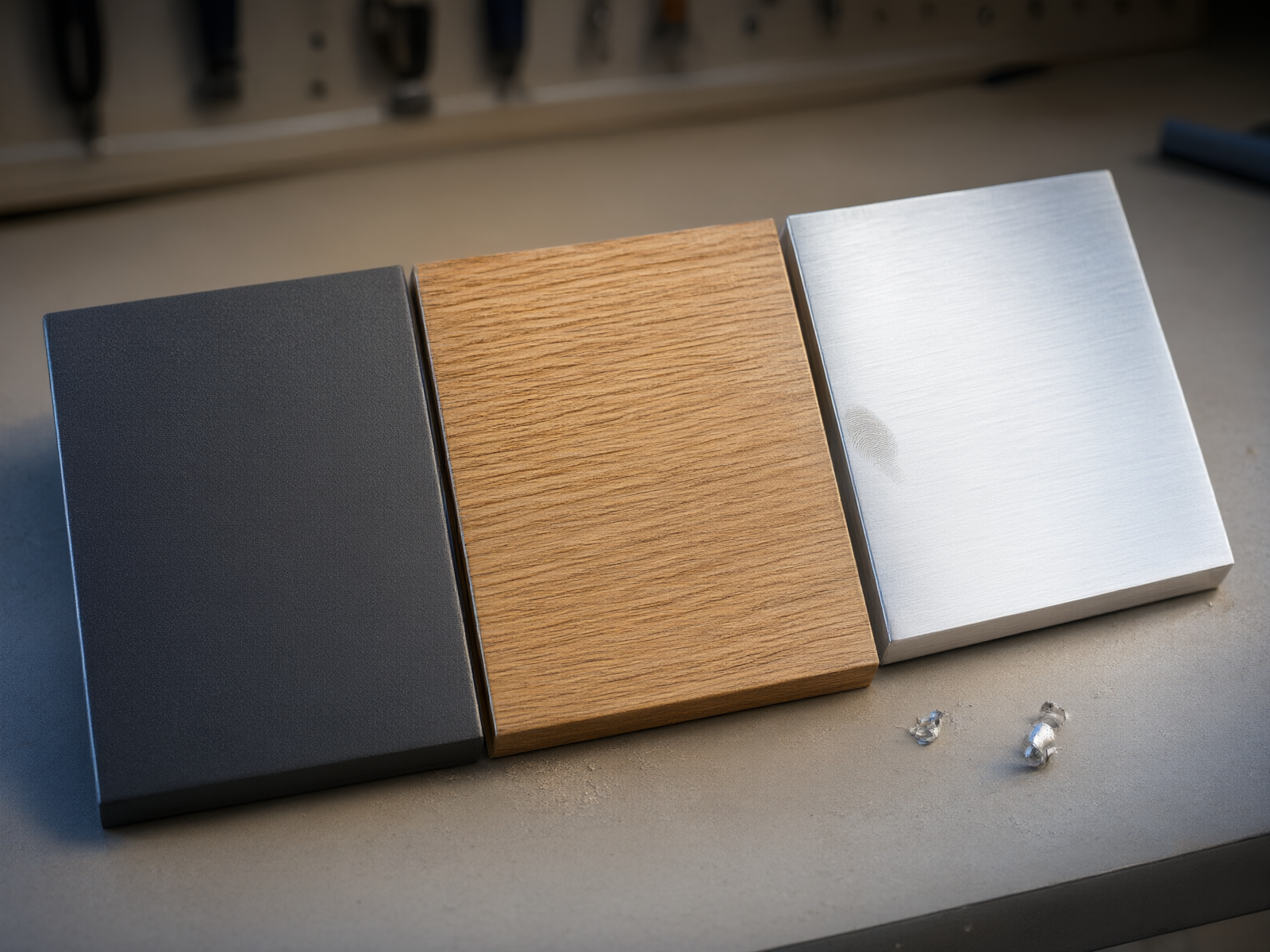
Powder coating is the most widely used process for outdoor shading products, with a typical coating thickness of 60–80μm. It offers excellent UV resistance and color stability, maintaining its appearance for over 10 years under standard climatic conditions. Wood grain transfer technology can reproduce the texture and color of natural wood on aluminum surfaces, combining visual appeal with aluminum's weathering advantages. Anodizing generates a thicker oxide layer (typically 10–25μm) through an electrochemical process, preserving the metallic texture while providing additional corrosion protection — ideal for coastal or high-salinity environments.
Each of the three processes has its own application boundaries. The choice depends on the project's climate conditions, design style, and budget range.
Customization: From Standard Parts to System Solutions
Another advantage of the aluminum extrusion model is its high degree of customization capability. Compared with cast iron or stainless steel processing, aluminum extrusion die development has shorter lead times and lower costs — the same alloy grade can produce hundreds of different cross-sections simply by changing the die. This means architects can customize special sections for their designs: curved beams, irregular connectors, concealed drainage channels — constructions that are costly or impractical with traditional materials become routine operations with aluminum extrusion.
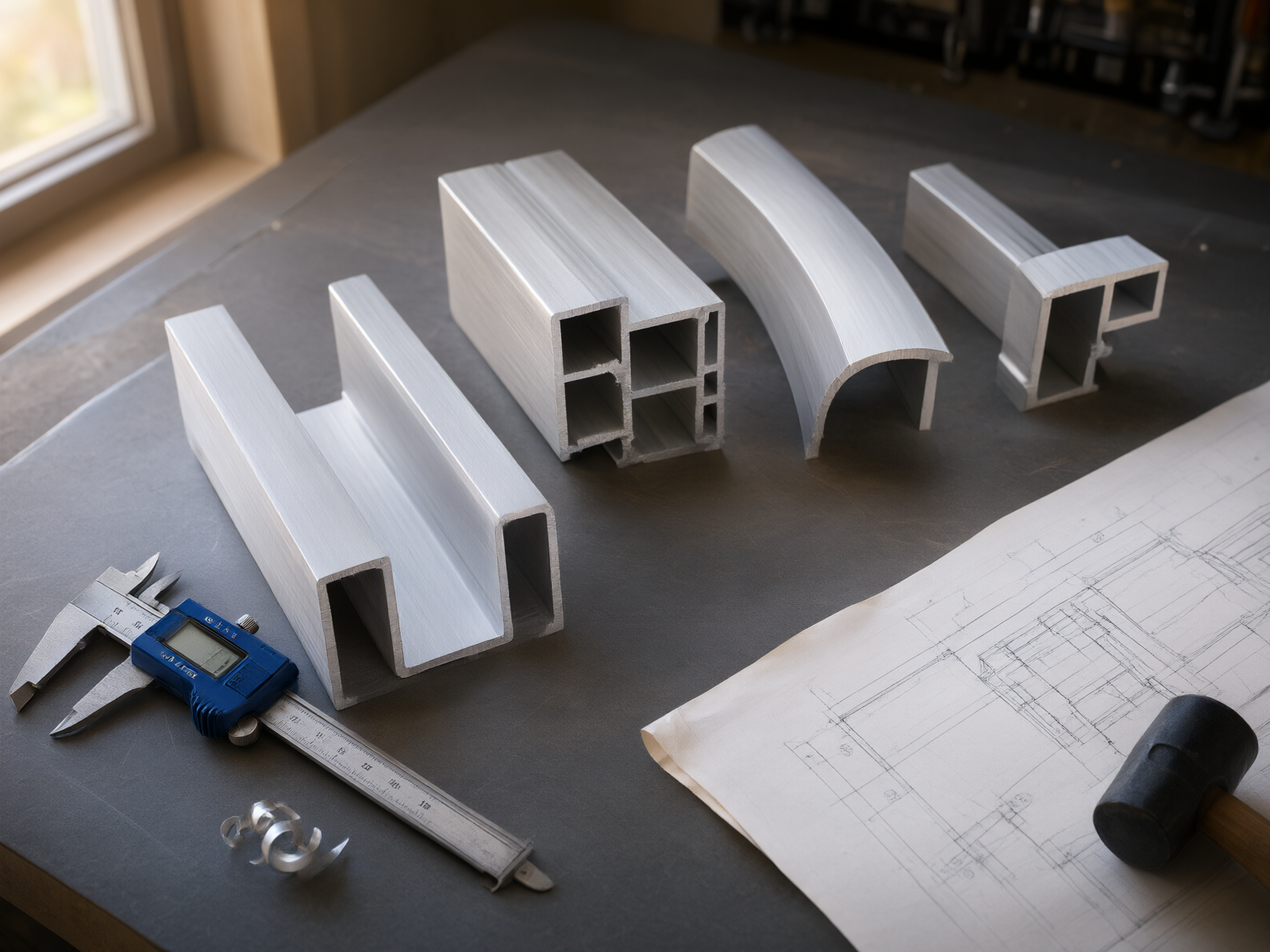
For distributors, customization capability directly affects project feasibility. Every project has different dimensions, wind load requirements, and installation conditions. Whether a supplier can respond quickly to non-standard requirements is a key indicator of manufacturing capability. We maintain a complete production line from die development through extrusion, surface treatment, and final assembly — customization needs can be fulfilled in-house, avoiding the quality fluctuations and delivery uncertainties that come with outsourced processes.
How Material Knowledge Shapes Decisions
For architects, understanding the process boundaries of aluminum profiles leads to more rational material selection at the design stage. For example, increasing profile wall thickness by 0.2mm raises overall rigidity by approximately 15%–20%, but also adds weight and cost; the open vs. closed design of a cross-section affects drainage paths and connection methods. These parameters need to be considered holistically during design, rather than addressed reactively during construction.
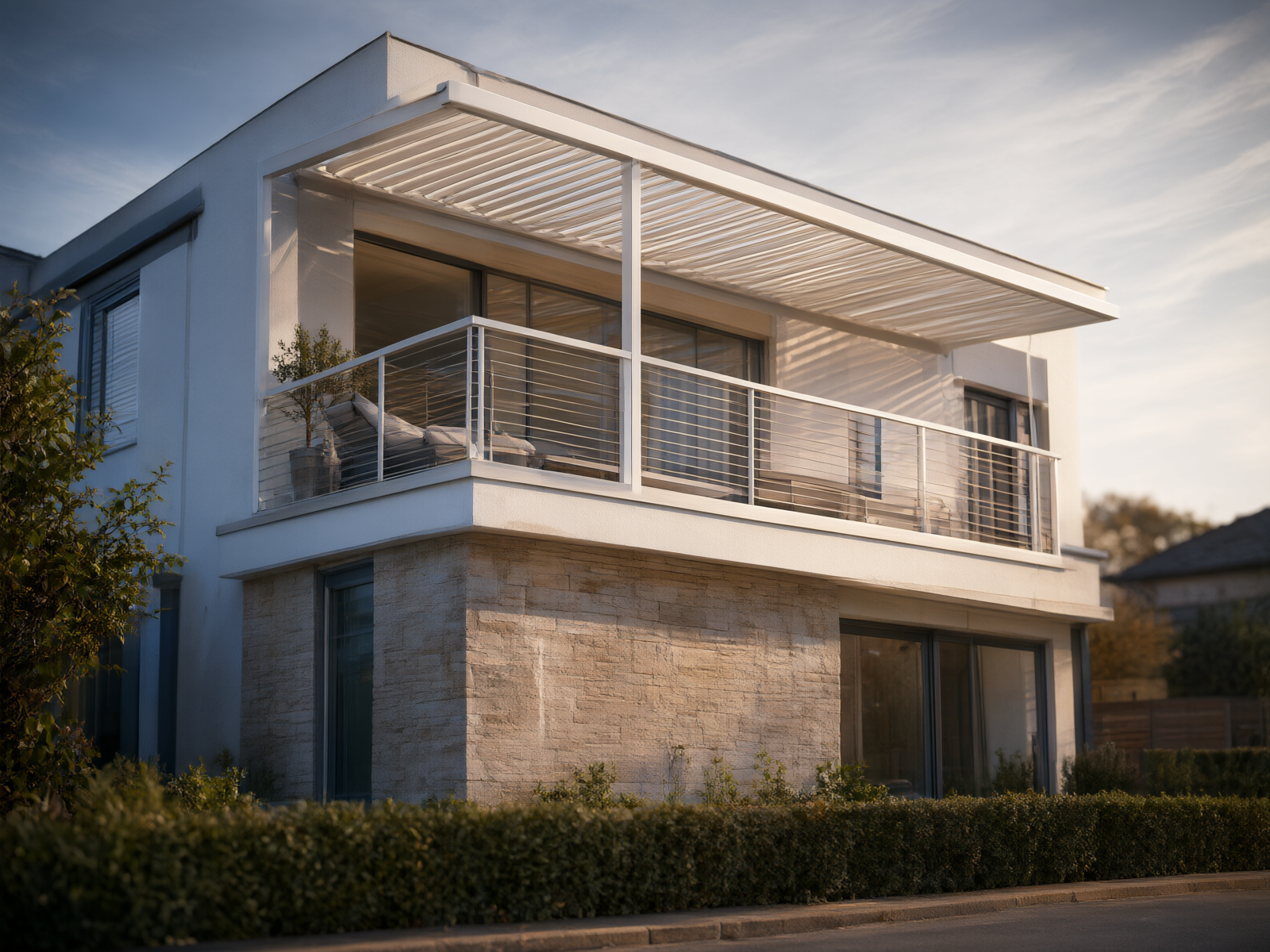
For distributors, evaluating a supplier's aluminum profile capability can start from three dimensions: whether they have their own extrusion line, whether surface treatment is in-house or outsourced, and whether they can provide complete mechanical performance test reports and weathering test data. The combination of these three capabilities determines the consistency and traceability of products from raw material to finished goods.
The choice of aluminum profile is a hidden but far-reaching decision. It does not show itself in the first glance at a product's appearance, yet it determines the structural stability, appearance retention, and maintenance costs over the next decade or longer. We have accumulated years of manufacturing experience in aluminum outdoor shading — from profile extrusion to surface treatment to finished product delivery — building a complete quality control system. We hope these practical insights from the production floor can provide architects with an evidence-based reference for material selection, and give distributors a framework for identifying reliable supply partners.
Written by the engineering team at KAKADU Aluminum. Technical specifications and process parameters referenced in this article are based on our production standards and industry testing data.